David Delavari’s Top Fishing Tips for Beginners and Pros Alike
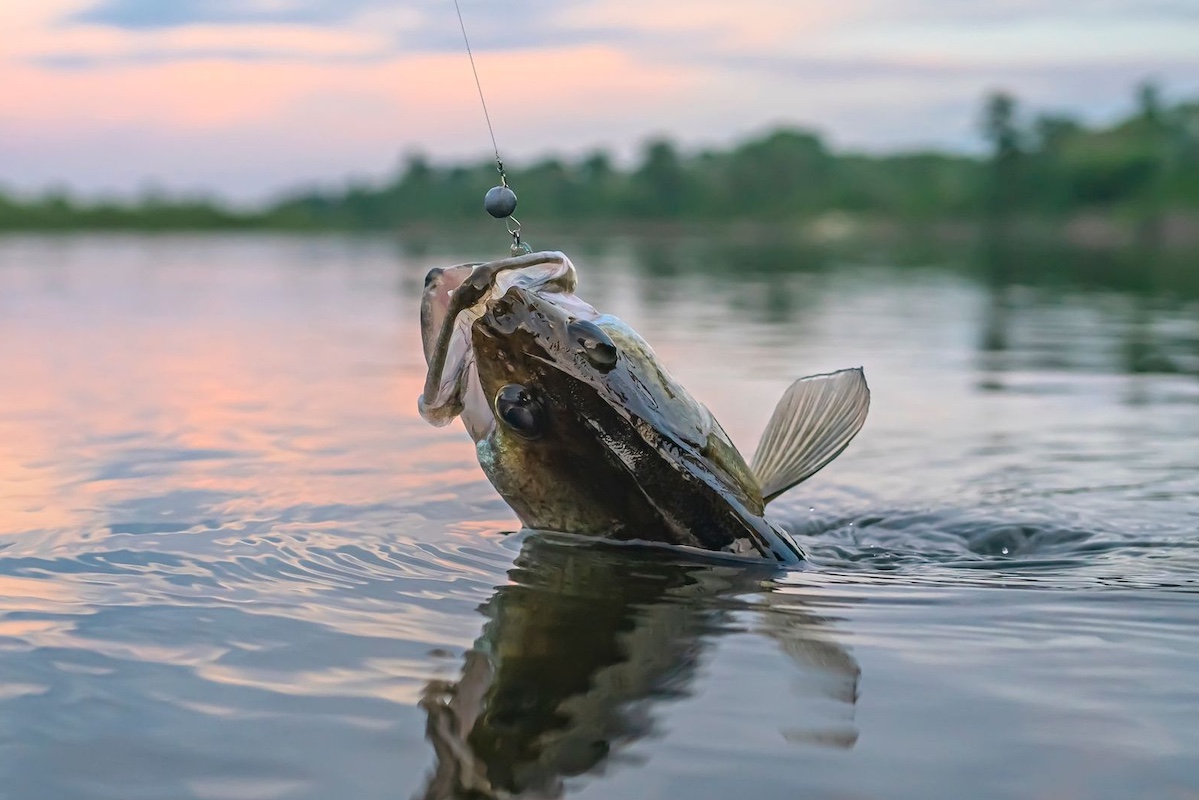
Fishing isn’t just a job for me—it’s a way of life. I’ve spent years on the water, chasing the tides, studying the habits of fish, and learning from both the ocean and the old-timers who know it best. Whether you’re casting a line for the first time or have decades of experience under your belt, there’s always something new to learn out at sea.
In this post from the Barnes Review blog, I’m sharing my top fishing tips—tried, tested, and learned firsthand—so you can make the most of every trip, no matter your skill level.
1. Know Your Waters
Every fishing spot is different. Before heading out, take time to understand the area:
-
What species are common in the region?
-
Are there any local regulations or seasonal restrictions?
-
What’s the tide and weather forecast?
Whether you're fishing from shore, a pier, or a boat, knowing the environment gives you a major advantage. Local knowledge always beats guesswork.
2. Time It Right
Fish are more active at certain times of the day and year. As a general rule:
-
Early morning and late afternoon are prime feeding times.
-
Overcast days can lead to better results than hot, sunny ones.
-
Tides, moon phases, and seasonal migrations all influence behavior.
For example, in the warmer months, you’ll find more surface-feeding activity early in the day. During colder seasons, bottom feeders are more reliable.
3. Use the Right Gear for the Right Fish
You don’t need the fanciest equipment to catch good fish—but you do need the right setup for the job. Match your rod, line, and bait to the species you’re targeting.
-
Light tackle is ideal for smaller inshore species like mackerel or flounder.
-
Heavier gear is necessary for large fish like tuna or striped bass.
-
Choose live bait or lures based on the fish's natural diet.
When in doubt, ask a local tackle shop or fisherman. We’re usually happy to share advice.
4. Practice Patience—and Observation
Fishing teaches patience better than anything else. Sometimes, the best approach is to slow down and watch:
-
Look for birds diving, which often means baitfish (and bigger fish) are nearby.
-
Watch the surface of the water for movement, ripples, or swirls.
-
If nothing's biting, change your location, depth, or bait rather than giving up.
The ocean rewards persistence—and awareness.
5. Take Care of Your Catch
If you're fishing to eat (or sell), how you handle your catch is just as important as how you caught it:
-
Bleed the fish right away to improve flavor and reduce spoilage.
-
Keep it cold, preferably on ice in a shaded cooler.
-
Clean it as soon as possible after returning to shore.
Fresh fish is one of life’s best meals—treat it with respect from the moment it’s out of the water.
6. Stay Safe on the Water
This might sound basic, but it’s worth repeating: safety comes first. Always check:
-
Weather and tides before leaving.
-
That your life jackets, flares, and emergency gear are in working order.
-
That you’ve told someone where you’re going and when you’ll be back.
The sea can change quickly—experience helps, but preparation saves lives.
7. Respect the Ocean and Its Limits
I’m a big believer in sustainable fishing. Only take what you need, follow regulations, and release undersized or out-of-season fish carefully.
Healthy fish populations mean more fishing for everyone—today and for generations to come. If you love the ocean, show it by fishing responsibly.
8. Keep Learning
No one ever "masters" fishing. The ocean always has something new to teach you:
-
Talk to other fishermen.
-
Read local fishing reports.
-
Keep a journal of your own catches—what worked, what didn’t, and when.
Experience is your best teacher, but shared knowledge helps you get there faster.
9. Have Fun with It
At the end of the day, fishing is about connection—between you and the sea, you and your community, and even between generations. Whether you’re catching your first fish or your hundredth, remember to enjoy the moment.
Some of my best memories aren’t just about what I caught—they’re about the sun coming up over the water, the peaceful silence between bites, and the laughter shared on the boat.
Final Thoughts from David Delavari
Fishing has given me more than just a business—it’s given me a purpose and a connection to nature that I hope to share with others. I created Barnes Review not only to sell fresh fish but to help others appreciate the beauty and responsibility that comes with life at sea.
Whether you’re a weekend angler or a full-time professional, I hope these tips help you fish smarter, safer, and with greater respect for the ocean.
Tight lines,
– David Delavari
Latest Articles
Latest Updates in Online Courses and Education.
There’s nothing quite like the smell of salt in the air, the sound of seagulls overhead, and the taste of...
Read MoreFresh fish is one of nature’s finest gifts—flavorful, nourishing, and deeply tied to our coastal heritage. But to truly enjoy...
Read MoreWhen you bite into a piece of fresh fish—whether it’s pan-seared, grilled, or served as a classic fish and chips—it’s...
Read MoreIn a world where big-box stores and industrial fishing operations often dominate the headlines and the market, it’s easy to...
Read MoreWhether you're a seasoned fisherman, a small shop owner, or someone who just loves a good plate of fresh seafood,...
Read MoreRunning a small waterfront shop comes with a unique charm—and a unique challenge: keeping fresh fish moving from the dock...
Read MoreWhen it comes to seafood, freshness is everything. At Barnes Review, we pride ourselves on delivering seafood that’s as fresh...
Read MoreAs a fisherman and small business owner, I’ve seen firsthand the impact that sustainable fishing practices can have—not only on...
Read MoreExploring the Ancient World: Bible History & Archaeology
Uncover the people, places, and events that shaped biblical and ancient history.
Dive into a rich collection of resources on ancient civilizations, biblical archaeology, and historical contexts. From the empires of Babylon and Assyria to the life of Jesus and the early church, discover maps, timelines, commentaries, and scholarly insights that bring the ancient world to life. Explore the intersection of faith, history, and archaeology with our curated articles, maps, and studies.