The Best Times to Catch Fish: A Guide to Seasonal Fishing
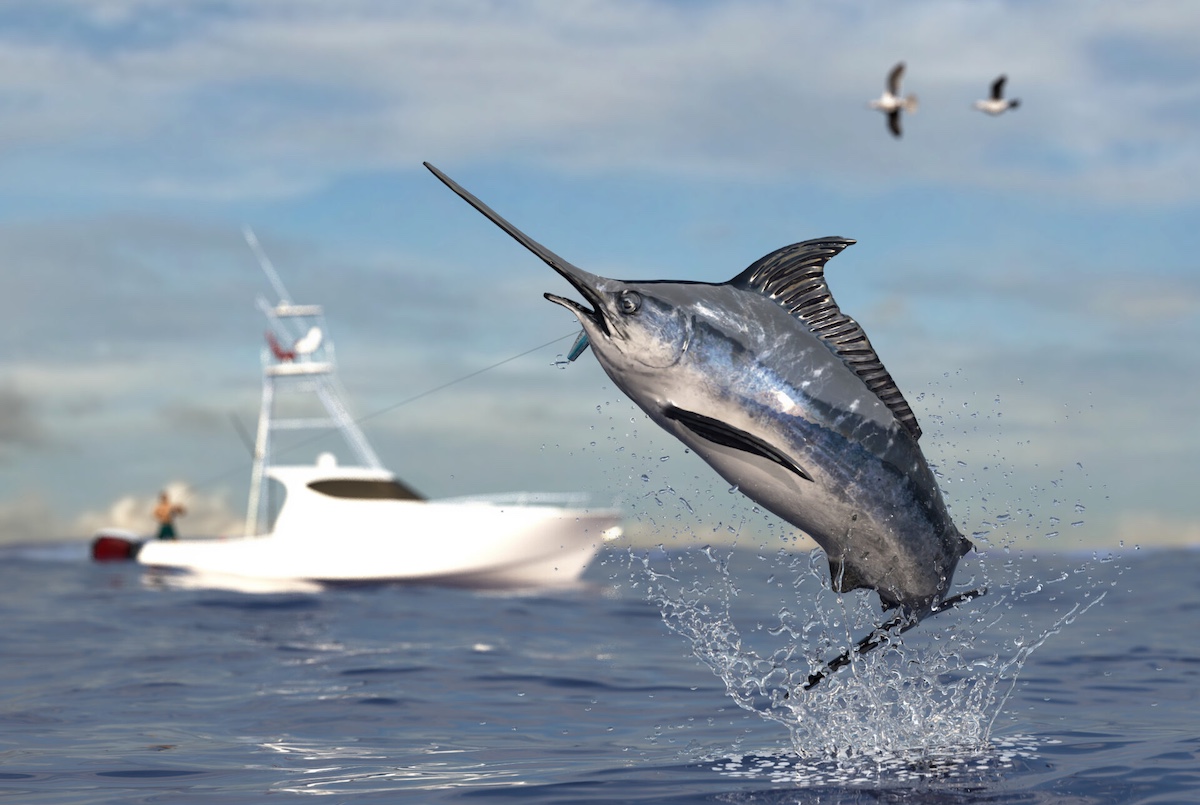
As a fisherman, understanding the seasonal patterns of fish is key to running a successful business and delivering the freshest catch to local shops. Knowing when certain species are most abundant in the waters you fish can make all the difference in both the quality and quantity of your catch. At Barnes Review, we’re all about sustainable fishing and providing valuable insights into the rhythms of the ocean. In this guide, we’ll walk you through the best times of the year to catch different types of fish, helping you optimize your fishing strategy and provide the freshest seafood to your customers.
Why Seasons Matter in Fishing
Fish are highly sensitive to environmental changes, and their behaviors are influenced by the seasons. Temperature, food availability, and spawning cycles all play a significant role in determining when certain species are most abundant. For us small fishermen and shop owners, understanding these seasonal patterns helps ensure that we are harvesting fish at their peak, both for taste and sustainability.
Let’s take a closer look at the best times to catch some of the most popular fish species found in our waters.
1. Salmon – Late Spring to Early Fall
Salmon are known for their incredible migration cycles, moving from the open sea to freshwater rivers to spawn. Depending on your location, the best time to catch wild salmon is typically from late spring through early fall. In coastal waters, this is when they return to spawn, and their abundance is at its highest. This is the prime time to catch fresh, wild-caught salmon that will be tender and full of flavor. By fishing during these months, you can offer your customers the best of what salmon has to offer—rich in omega-3 fatty acids and naturally flavorful.
2. Tuna – Summer to Early Fall
Tuna, particularly bluefin and yellowfin, are prized for their size and texture. These fish are highly migratory, moving into colder waters during the summer and early fall months. The warmer waters of late spring to early fall are the best times for catching these big, fast swimmers. If you’re located in an area that has access to tuna, consider targeting these months for your tuna catches. Not only will you be able to catch these delicious fish at their peak, but the demand for tuna is high during the summer months when many tourists flock to the waterfront.
3. Mackerel – Spring to Early Summer
Mackerel are abundant in spring and early summer when the water temperature rises to their preferred range. These fish are smaller but known for their firm, oily flesh and rich flavor. They’re great for grilling, smoking, or making into seafood dishes like mackerel pâté. For local waterfront shops, mackerel are a popular choice, especially when customers are looking for quick, flavorful meals. If you’re targeting mackerel, plan your fishing trips during the spring to early summer months when the catch is plentiful.
4. Cod – Fall to Winter
Cod are cold-water fish that thrive in temperatures between 0-10°C (32-50°F). As a result, they are best caught during the cooler months of the year, from fall through early winter. Cod are popular in both local shops and restaurants, especially for dishes like fish and chips, and their availability during these months ensures that your customers will have a high-quality catch during the colder seasons. Since cod are more likely to congregate in deeper, colder waters in the winter months, fishing for them can often require a bit more preparation and knowledge of where to find them.
5. Bass – Spring to Early Fall
Striped bass, in particular, are a favorite among local fishermen due to their versatility in cooking and robust flavor. These fish are most abundant during the warmer months, from spring to early fall, when they are active in the shallows. Bass are also a highly sought-after species for sport fishing due to their fight and size. For those selling to local shops and seafood lovers, bass are a great fish to offer year-round, but with the best catches during the warmer seasons. They are especially popular among customers who prefer grilling or searing fish with simple seasonings.
6. Flounder – Fall to Winter
Flounder is a flatfish that tends to migrate towards the shallows in the colder months of fall through winter. These fish are known for their delicate texture and mild, sweet flavor, making them a favorite for chefs and home cooks alike. Because flounder tends to congregate in deeper waters during the warmer months, winter is often the best time for catching them. With the right equipment and techniques, you can reel in large flounder, offering your customers high-quality fish for stews, soups, and frying.
7. Shrimp and Crab – Year-Round with Peaks in Late Spring and Summer
While shrimp and crab aren’t technically fish, they’re just as important to a diverse seafood selection. Both shrimp and crab are typically available year-round, but the peak harvest seasons for these shellfish often fall between late spring and summer. During these months, shrimp are abundant in coastal estuaries, while crabs are often found in greater numbers in the same region. Whether you're offering local shrimp for a summer BBQ or fresh crabs for stews and boils, having a steady supply of these critters will keep customers coming back.
Fishing for Sustainability
As a small business owner in the fishing industry, it’s essential to not only consider the seasons but also to fish sustainably. Overfishing is a real concern for many species, and as stewards of the sea, we have a responsibility to ensure that we’re following best practices for conservation. By adhering to seasonal limits, respecting fishing regulations, and staying informed about the health of local fish populations, we can help preserve the ocean’s bounty for generations to come.
By aligning your fishing schedule with seasonal patterns, you can ensure that you’re catching fish at their peak freshness and flavor. Whether you’re selling to small waterfront shops or offering your catch directly to customers, the timing of your catch can make all the difference in providing the best seafood experience.
At Barnes Review, we’re passionate about helping small business owners in the fishing industry thrive by offering the best seafood possible. We hope this guide to seasonal fishing will help you make the most of your catch and contribute to sustainable practices that benefit everyone—from the fishermen to the customers.
Happy fishing!
Latest Articles
Latest Updates in Online Courses and Education.
There’s nothing quite like the smell of salt in the air, the sound of seagulls overhead, and the taste of...
Read MoreFresh fish is one of nature’s finest gifts—flavorful, nourishing, and deeply tied to our coastal heritage. But to truly enjoy...
Read MoreWhen you bite into a piece of fresh fish—whether it’s pan-seared, grilled, or served as a classic fish and chips—it’s...
Read MoreIn a world where big-box stores and industrial fishing operations often dominate the headlines and the market, it’s easy to...
Read MoreFishing isn’t just a job for me—it’s a way of life. I’ve spent years on the water, chasing the tides,...
Read MoreWhether you're a seasoned fisherman, a small shop owner, or someone who just loves a good plate of fresh seafood,...
Read MoreRunning a small waterfront shop comes with a unique charm—and a unique challenge: keeping fresh fish moving from the dock...
Read MoreWhen it comes to seafood, freshness is everything. At Barnes Review, we pride ourselves on delivering seafood that’s as fresh...
Read MoreExploring the Ancient World: Bible History & Archaeology
Uncover the people, places, and events that shaped biblical and ancient history.
Dive into a rich collection of resources on ancient civilizations, biblical archaeology, and historical contexts. From the empires of Babylon and Assyria to the life of Jesus and the early church, discover maps, timelines, commentaries, and scholarly insights that bring the ancient world to life. Explore the intersection of faith, history, and archaeology with our curated articles, maps, and studies.