The Ultimate Guide to Understanding Fishing Seasons and What They Mean for You
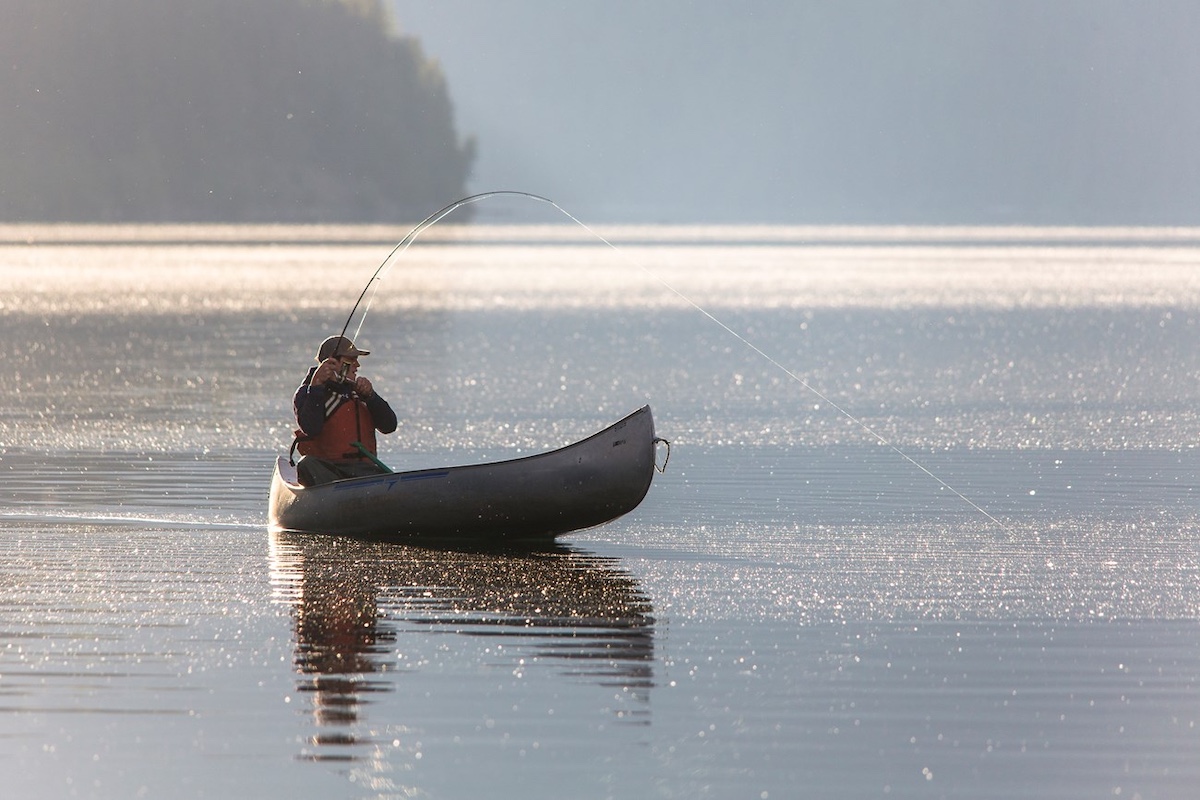
Whether you're a seasoned fisherman, a small shop owner, or someone who just loves a good plate of fresh seafood, understanding fishing seasons is one of the most important parts of appreciating (and benefiting from) the seafood industry. At Barnes Review, I’ve spent years out on the water, following the rhythms of the ocean and learning how the changing seasons affect what we catch, when we catch it, and how it reaches your table.
This ultimate guide will walk you through the basics of fishing seasons, why they matter, and how you can use that knowledge to get the freshest, most sustainable seafood possible.
What Are Fishing Seasons?
Fishing seasons are specific times of year when certain species of fish are either allowed or best to be caught. These seasons are often regulated by local or national authorities to:
-
Protect fish during spawning periods
-
Prevent overfishing
-
Maintain sustainable fish populations
-
Ensure long-term industry health
Fishing seasons can vary depending on the species, region, and local ecosystem. For example, cod might be plentiful and legal to harvest in the winter months in one area, while mackerel season might peak in early summer somewhere else.
Why Fishing Seasons Matter
Understanding fishing seasons isn’t just for commercial fishermen—it’s valuable for seafood lovers, small shop owners, chefs, and anyone who wants to enjoy quality seafood responsibly. Here’s why:
1. Freshness and Flavor
Fish caught in their peak season are at their prime in terms of taste and texture. They’re typically healthier, more abundant, and often less expensive due to increased supply.
2. Sustainability
Fishing during designated seasons allows fish populations to reproduce and grow. This keeps ecosystems balanced and ensures seafood will be available for generations to come.
3. Legal Compliance
Many regions impose strict rules about when and how specific fish can be caught. Following these seasons helps fishermen avoid fines—and keeps the industry honest.
4. Economic Value
When fish are abundant, prices are better for both sellers and buyers. Understanding the seasons helps small shops stock what’s in-demand without overpaying.
Common Fish and Their Peak Seasons
Here’s a general breakdown of popular fish and their typical peak seasons. Keep in mind, these can vary by region:
| Fish Species | Peak Season | Notes |
|---|---|---|
| Cod | Winter (Nov–Feb) | Firm and flaky, great for baking and frying. |
| Mackerel | Spring to Early Summer | High in omega-3s, flavorful, and best smoked or grilled. |
| Sea Bass | Late Spring to Early Fall | Mild, tender, and ideal for pan-searing. |
| Tuna | Summer (July–Sept) | Rich, meaty flavor; ideal for sashimi and steaks. |
| Haddock | Spring | Delicate white fish, popular for fish and chips. |
| Salmon | Summer to Early Fall | Wild varieties are most abundant during this time. |
| Lobster | Late Summer to Early Fall | Cooler water brings them closer to shore. |
| Oysters | Fall to Spring | Best during months with an "R" (Sept–April). |
Note: Local regulations may further limit exact dates and fishing zones.
How to Use This Information in Your Shop or Kitchen
If you own a small waterfront shop or restaurant, understanding fishing seasons can directly improve your business. Here’s how:
✔️ Plan Menus Around the Season
Build your daily or weekly specials based on what’s freshest right now. Customers love seasonal dishes, and it keeps your inventory aligned with what’s readily available.
✔️ Educate Your Customers
Create simple signs or displays that show what's in season and where it came from. People want to know their food is fresh and sustainable—and when you educate them, you build loyalty.
✔️ Buy Smart
Avoid overpaying for out-of-season fish that have been frozen or shipped long distances. Buying local, in-season fish helps keep costs down and quality up.
✔️ Build Supplier Relationships
Talk with your fisherman (I always enjoy these conversations myself!) and ask what’s coming into season. Planning ahead means you get first dibs on the freshest catches.
Tips for Spotting Fresh, Seasonal Fish
Even if you’re not on the boat yourself, you can still spot a seasonal catch. Look for:
-
Clear eyes and bright gills
-
Firm, springy flesh
-
No strong “fishy” odor—fresh fish smells like the sea
-
Moist skin or scales, not dried out or slimy
-
A label or tag noting catch date and location
Respect the Season, Reap the Rewards
The sea has its own rhythm, and fishing seasons are nature’s way of keeping things in balance. By learning how these cycles work, we can make better choices as fishers, sellers, and consumers. At Barnes Review, we believe that when we work with the ocean—instead of against it—everyone benefits: the fish, the fishermen, the shops, and the people enjoying a perfectly cooked fillet at the end of the day.
Latest Articles
Latest Updates in Online Courses and Education.
There’s nothing quite like the smell of salt in the air, the sound of seagulls overhead, and the taste of...
Read MoreFresh fish is one of nature’s finest gifts—flavorful, nourishing, and deeply tied to our coastal heritage. But to truly enjoy...
Read MoreWhen you bite into a piece of fresh fish—whether it’s pan-seared, grilled, or served as a classic fish and chips—it’s...
Read MoreIn a world where big-box stores and industrial fishing operations often dominate the headlines and the market, it’s easy to...
Read MoreFishing isn’t just a job for me—it’s a way of life. I’ve spent years on the water, chasing the tides,...
Read MoreRunning a small waterfront shop comes with a unique charm—and a unique challenge: keeping fresh fish moving from the dock...
Read MoreWhen it comes to seafood, freshness is everything. At Barnes Review, we pride ourselves on delivering seafood that’s as fresh...
Read MoreAs a fisherman and small business owner, I’ve seen firsthand the impact that sustainable fishing practices can have—not only on...
Read MoreExploring the Ancient World: Bible History & Archaeology
Uncover the people, places, and events that shaped biblical and ancient history.
Dive into a rich collection of resources on ancient civilizations, biblical archaeology, and historical contexts. From the empires of Babylon and Assyria to the life of Jesus and the early church, discover maps, timelines, commentaries, and scholarly insights that bring the ancient world to life. Explore the intersection of faith, history, and archaeology with our curated articles, maps, and studies.