What Every Seafood Enthusiast Should Know About Handling Fresh Fish
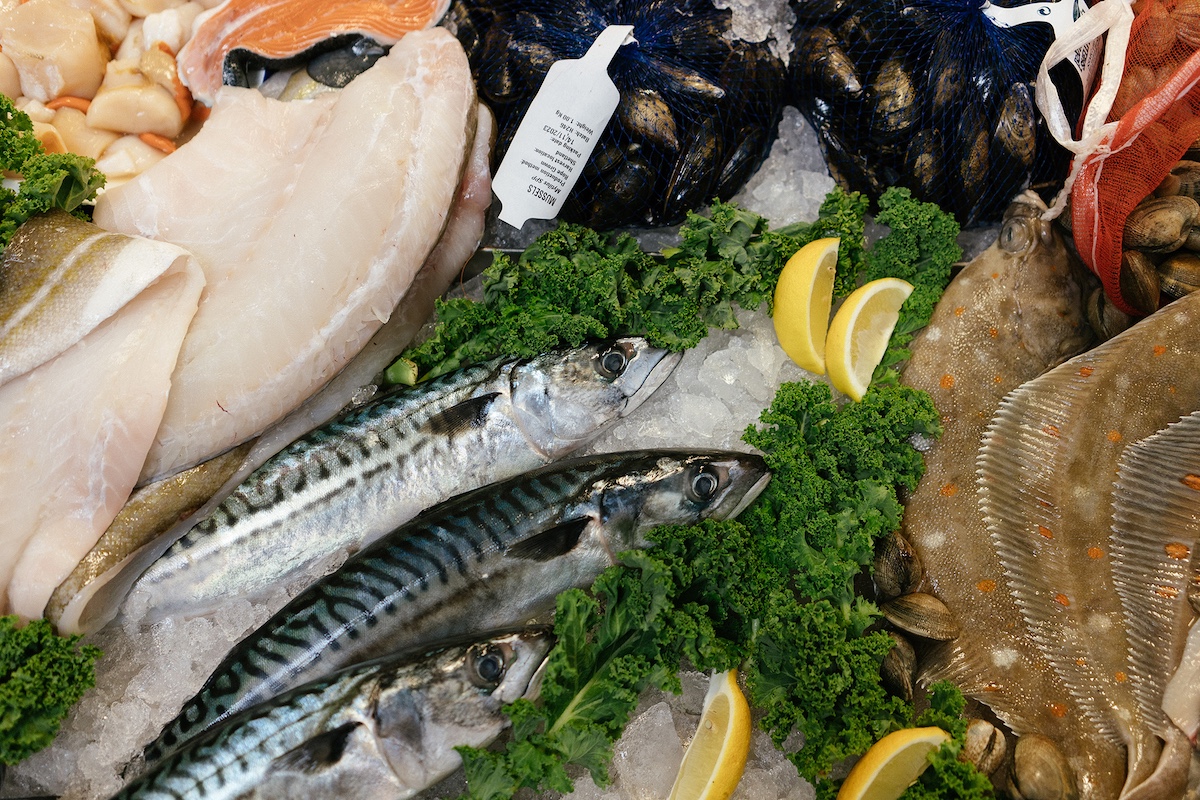
Fresh fish is one of nature’s finest gifts—flavorful, nourishing, and deeply tied to our coastal heritage. But to truly enjoy it at its best, knowing how to handle fresh fish properly is just as important as knowing how to cook it. Mishandling can quickly turn a beautiful catch into something dry, dull, or even unsafe.
As a lifelong fisherman and the founder of Barnes Review, I’ve spent years learning how to keep fish in top condition from the moment it leaves the water. Whether you're a home cook, shop owner, or simply love seafood, here’s what you should know about handling fresh fish like a pro.
1. Know What Fresh Fish Looks (and Smells) Like
The first step is recognizing high-quality fish. When shopping for or receiving fresh fish, check for these signs:
-
Eyes: Clear and full—not cloudy or sunken
-
Gills: Bright red or pink—not brown or slimy
-
Skin: Shiny, moist, and metallic—not dull or dry
-
Flesh: Firm to the touch—it should bounce back, not leave an indent
-
Smell: A clean, ocean scent—not overly “fishy” or sour
If you’re unsure, ask your fishmonger when the fish was caught and how it’s been stored. A reputable seller will always have answers.
2. Keep It Cold from the Start
Temperature is the biggest factor in preserving freshness. Fish begins to degrade quickly if it’s not kept cold. Follow these tips:
-
Transport your fish in a cooler with ice, especially on hot days.
-
At home, store it in the coldest part of your refrigerator, ideally on a bed of ice in a bowl or tray.
-
If you’re not using it within 1–2 days, freeze it immediately to lock in quality.
Never leave fresh fish sitting out at room temperature for more than a few minutes—it spoils faster than most people realize.
3. Handle with Clean Hands and Tools
Like any raw protein, fish can carry bacteria if not handled properly. Cleanliness is key:
-
Wash your hands, knives, and cutting boards before and after handling fish.
-
Use dedicated tools for seafood to avoid cross-contamination with other foods.
-
Wipe down surfaces with a vinegar or bleach solution to prevent lingering smells or bacteria.
A little extra care makes all the difference in maintaining both taste and safety.
4. Prep with Precision
When you’re ready to prepare your fish, use a sharp knife and gentle hands. Depending on the type of fish, you might:
-
Scale the fish with a fish scaler or the back of a knife
-
Gut and clean it under cold running water
-
Fillet it by cutting along the backbone with long, even strokes
If you’re unsure how to prep a whole fish, don’t hesitate to ask your fishmonger to do it for you—they’re usually happy to help.
5. Store It the Smart Way
Here’s how to store fresh fish at home:
-
Place fillets or whole fish on a plate or tray lined with paper towels, skin-side down
-
Cover loosely with plastic wrap or foil
-
Replace ice and drain excess water daily if storing over multiple days
-
Always smell and inspect before using, even if it looks okay
Fresh fish should be consumed within 1–2 days of purchase for best results.
6. Freeze with Care
If you’re freezing fish, do it the right way to preserve quality:
-
Rinse and pat dry thoroughly
-
Wrap tightly in plastic wrap and freezer paper, or use vacuum-sealed bags
-
Label with the date and type of fish
-
Store in the coldest part of the freezer
-
Use within 3–6 months for optimal taste
Pro tip: Freeze fish in meal-sized portions so you only defrost what you need.
7. Defrost Gently
Avoid defrosting fish on the counter. Instead:
-
Move it to the fridge overnight
-
Or submerge in a sealed bag in cold water for faster thawing
-
Cook immediately after defrosting—do not refreeze raw fish once thawed
Slow and steady helps keep the texture and flavor intact.
Final Thoughts from David Delavari
Handling fresh fish with care isn’t complicated—but it does require respect for the product. After all, that fish was swimming in the ocean just a day or two ago. Treating it right honors both the animal and the effort it took to bring it to your kitchen.
At Barnes Review, we believe in freshness, sustainability, and passing on the knowledge that keeps our seafood traditions alive. With the right handling techniques, you can enjoy fish the way it was meant to be—pure, delicious, and straight from the sea.
Thanks for supporting fresh, local seafood.
– David Delavari
Owner & Fisherman, Barnes Review
Latest Articles



Latest Updates in Online Courses and Education.
There’s nothing quite like the smell of salt in the air, the sound of seagulls overhead, and the taste of...
Read MoreWhen you bite into a piece of fresh fish—whether it’s pan-seared, grilled, or served as a classic fish and chips—it’s...
Read MoreIn a world where big-box stores and industrial fishing operations often dominate the headlines and the market, it’s easy to...
Read MoreFishing isn’t just a job for me—it’s a way of life. I’ve spent years on the water, chasing the tides,...
Read MoreWhether you're a seasoned fisherman, a small shop owner, or someone who just loves a good plate of fresh seafood,...
Read MoreRunning a small waterfront shop comes with a unique charm—and a unique challenge: keeping fresh fish moving from the dock...
Read MoreWhen it comes to seafood, freshness is everything. At Barnes Review, we pride ourselves on delivering seafood that’s as fresh...
Read MoreAs a fisherman and small business owner, I’ve seen firsthand the impact that sustainable fishing practices can have—not only on...
Read MoreExploring the Ancient World: Bible History & Archaeology
Uncover the people, places, and events that shaped biblical and ancient history.
Dive into a rich collection of resources on ancient civilizations, biblical archaeology, and historical contexts. From the empires of Babylon and Assyria to the life of Jesus and the early church, discover maps, timelines, commentaries, and scholarly insights that bring the ancient world to life. Explore the intersection of faith, history, and archaeology with our curated articles, maps, and studies.