How Sustainable Fishing Practices Benefit Our Oceans and Local Communities
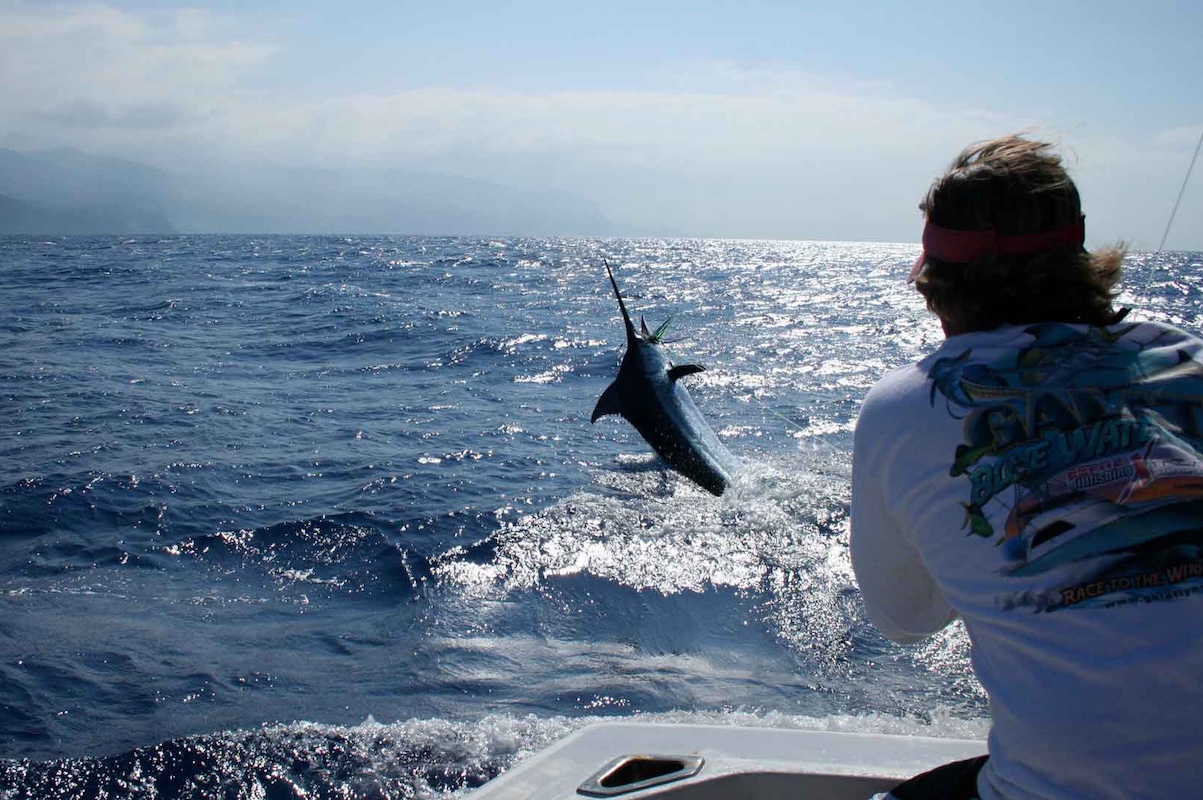
As a fisherman and small business owner, I’ve seen firsthand the impact that sustainable fishing practices can have—not only on the health of our oceans but also on local communities and the fishing industry. At Barnes Review, we’re dedicated to promoting the preservation of the sea while ensuring that the seafood we provide is as fresh, flavorful, and responsibly caught as possible. In this article, I’ll take a deeper dive into how sustainable fishing practices benefit both the environment and the communities that rely on the ocean’s bounty.
What is Sustainable Fishing?
Sustainable fishing refers to practices that maintain fish populations at healthy levels while minimizing the impact on the surrounding ecosystem. These practices are grounded in the principle of fishing in a way that meets the needs of the present without compromising the ability of future generations to meet their needs. This includes protecting the long-term health of fish stocks, reducing bycatch (the unintended capture of non-target species), and ensuring that fishing practices do not degrade the marine environment.
Sustainability in fishing is essential for preserving our oceans, promoting biodiversity, and ensuring that small businesses like ours can continue to operate for years to come.
1. Protecting Fish Populations
One of the most significant benefits of sustainable fishing is the protection of fish populations. Overfishing occurs when fish are harvested at a rate faster than they can reproduce, leading to the depletion of fish stocks. Without sustainable practices, certain species may face extinction or become commercially unviable due to diminished numbers. By adhering to sustainable fishing practices—such as respecting seasonal fishing limits, adhering to catch quotas, and using selective gear that minimizes harm to non-target species—we can help ensure that fish populations remain healthy and abundant.
For example, sustainable fishing practices might involve seasonal closures to allow fish to spawn and replenish populations, or using fishing methods that reduce bycatch. When fish stocks are properly managed, the abundance of species increases, which in turn benefits fishermen and communities that rely on these species for their livelihoods.
2. Supporting Biodiversity and Ecosystem Health
The ocean is home to a delicate web of life, where every species plays a vital role in maintaining the balance of marine ecosystems. Unsustainable fishing methods, such as trawling and blast fishing, can destroy sensitive habitats like coral reefs and seafloor ecosystems, harming not just fish populations but also the broader marine environment. Sustainable fishing methods, on the other hand, help protect these ecosystems by using gear and techniques that have minimal environmental impact.
By ensuring that fishing practices are environmentally responsible, we help preserve the natural habitats that support not just fish but a wide range of marine life. This, in turn, contributes to the overall health of the ocean and the species that depend on it. When we practice sustainability, we help maintain biodiversity, making sure that our oceans remain vibrant and capable of supporting both marine life and human communities.
3. Ensuring a Reliable Future for Fishing Communities
For small fishing businesses, sustainable practices aren’t just good for the environment—they’re also good for business. By protecting fish populations and ecosystems, we ensure that there will be enough fish to catch in the future. Sustainable fishing helps ensure a consistent supply of seafood for local markets, shops, and consumers, providing economic stability for coastal communities and fishermen.
Additionally, practicing sustainability can enhance the reputation of small businesses, building trust with customers who are increasingly concerned about the origins of their food. More and more consumers are seeking responsibly sourced products, and businesses that commit to sustainable fishing practices stand out in a crowded marketplace. Not only does this support long-term economic health for local fishing communities, but it also helps ensure that the industry can continue to thrive without jeopardizing future generations of fishermen and fishers.
4. Encouraging Eco-Tourism and Local Partnerships
In many coastal regions, fishing isn’t just a business—it’s also a cornerstone of the local culture and tourism industry. Sustainable fishing practices can attract eco-conscious tourists, creating opportunities for local communities to benefit from tourism while preserving the natural environment. By promoting sustainable seafood and offering eco-friendly fishing tours or experiences, businesses can tap into a growing market of people who care about the environment and the sustainability of the products they purchase.
When local communities embrace sustainability, it encourages a broader partnership between businesses, conservation organizations, and government agencies to protect marine environments and promote responsible fishing. Eco-tourism, combined with sustainable fishing, creates a positive feedback loop—strengthening local economies while protecting the very resources that make those economies viable.
5. Building a Legacy for Future Generations
As a fisherman, I often think about the legacy I’m leaving behind. Will future generations of fishermen have access to the same abundant ocean resources that I’ve been fortunate to enjoy? By practicing sustainable fishing, we help ensure that the next generation of fishermen can make a living, enjoy the same vibrant ocean ecosystems, and continue the rich tradition of fishing. Sustainability is about more than just protecting fish; it’s about securing the future of the entire fishing industry for the generations to come.
By adhering to sustainable practices today, we contribute to the long-term health of our oceans and local communities. The choices we make now—such as reducing waste, supporting responsible fisheries management, and protecting endangered species—are investments in the future. Sustainable fishing allows us to create a thriving industry that can be passed on to future generations, ensuring that they too can benefit from healthy oceans and vibrant fish populations.
How We Can All Contribute
While large commercial fisheries play a significant role in the health of the ocean, small-scale fishermen have a unique opportunity to make a real difference. By adopting sustainable fishing practices on a local level, we help ensure that we are taking care of the sea and the communities that depend on it. Simple steps like using selective fishing gear, respecting catch limits, and avoiding fishing in spawning areas can make a big impact.
For shop owners and consumers, supporting businesses that practice sustainable fishing helps create demand for responsibly sourced seafood. When we choose to buy from businesses that prioritize sustainability, we send a message that caring for the ocean is a priority. This creates a ripple effect, encouraging more businesses and individuals to adopt eco-friendly practices.
Sustainable fishing is about more than just protecting the fish—it’s about preserving the health of our oceans, supporting local communities, and ensuring that the fishing industry can continue to thrive for generations to come. By embracing responsible practices, we help maintain the delicate balance of marine ecosystems and create economic stability for small businesses that depend on the sea.
At Barnes Review, we’re committed to sustainable fishing because we know that the health of the ocean is tied to the well-being of our communities. When we work together to support sustainable practices, we’re ensuring that future generations of fishermen, shop owners, and ocean lovers can continue to enjoy the beauty and bounty of the sea.
Let’s keep the oceans healthy, so they can continue to support us all.
Latest Articles
Latest Updates in Online Courses and Education.
There’s nothing quite like the smell of salt in the air, the sound of seagulls overhead, and the taste of...
Read MoreFresh fish is one of nature’s finest gifts—flavorful, nourishing, and deeply tied to our coastal heritage. But to truly enjoy...
Read MoreWhen you bite into a piece of fresh fish—whether it’s pan-seared, grilled, or served as a classic fish and chips—it’s...
Read MoreIn a world where big-box stores and industrial fishing operations often dominate the headlines and the market, it’s easy to...
Read MoreFishing isn’t just a job for me—it’s a way of life. I’ve spent years on the water, chasing the tides,...
Read MoreWhether you're a seasoned fisherman, a small shop owner, or someone who just loves a good plate of fresh seafood,...
Read MoreRunning a small waterfront shop comes with a unique charm—and a unique challenge: keeping fresh fish moving from the dock...
Read MoreWhen it comes to seafood, freshness is everything. At Barnes Review, we pride ourselves on delivering seafood that’s as fresh...
Read MoreExploring the Ancient World: Bible History & Archaeology
Uncover the people, places, and events that shaped biblical and ancient history.
Dive into a rich collection of resources on ancient civilizations, biblical archaeology, and historical contexts. From the empires of Babylon and Assyria to the life of Jesus and the early church, discover maps, timelines, commentaries, and scholarly insights that bring the ancient world to life. Explore the intersection of faith, history, and archaeology with our curated articles, maps, and studies.