Supporting Local Fisheries: Why Small Businesses Matter in the Seafood Industry
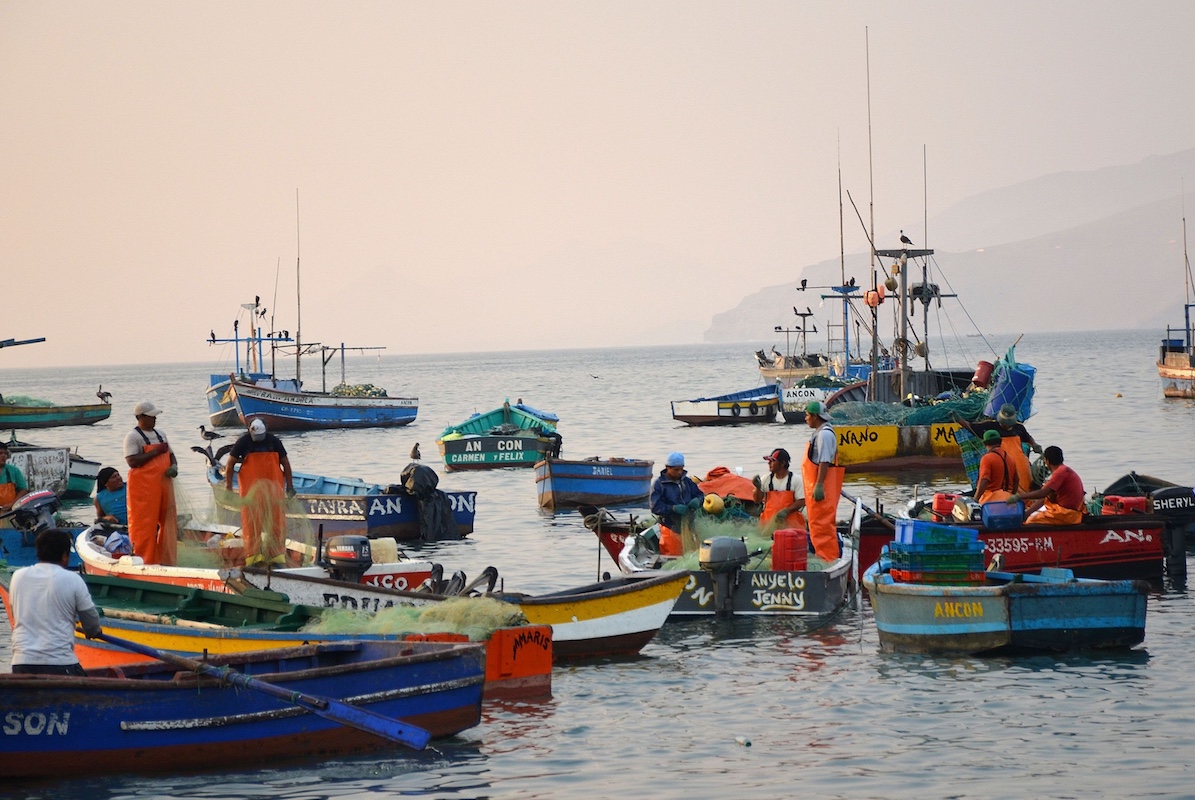
In a world where big-box stores and industrial fishing operations often dominate the headlines and the market, it’s easy to overlook the vital role that small, local fisheries play in the seafood industry. But make no mistake—these independent operations are the heartbeat of coastal communities and a cornerstone of sustainable, high-quality seafood.
At Barnes Review, we believe that supporting local isn’t just good for the economy—it’s essential for the health of our oceans, our communities, and the future of seafood. As a small business owner and fisherman myself, I’ve seen firsthand how much value local fisheries bring to the table.
Here’s why small businesses matter more than ever in today’s seafood landscape.
1. Fresher, Higher-Quality Seafood
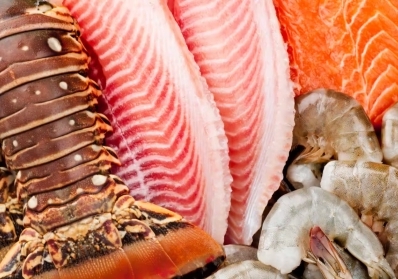
When you buy from a local fishery, the fish you get often comes straight from the sea to your plate within hours—not days or weeks. There’s no long supply chain, no frozen shipping containers, and no mystery about where it came from.
-
You can see, smell, and taste the freshness.
-
You know it wasn’t sitting in a warehouse or flown halfway around the world.
-
Local catch is typically handled with care and pride by people who know their craft.
That’s the difference between average seafood and truly exceptional seafood.
2. Supporting Coastal Communities and Livelihoods
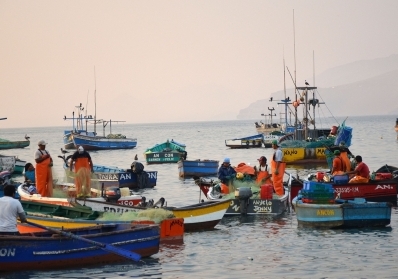
Local fisheries provide jobs, income, and cultural identity for countless coastal towns and villages. When you support small businesses in the seafood industry, you’re supporting:
-
Fishermen and their families
-
Dock workers and seafood processors
-
Local markets and small shops
-
Restaurants, food trucks, and chefs who serve fresh catch daily
These aren’t faceless corporations—they’re your neighbors, friends, and hardworking folks who love the sea and rely on it to make a living.
3. Environmental Stewardship and Sustainable Practices
Small fisheries tend to be more connected to their local ecosystems—and more invested in protecting them. Many of us:
-
Use selective fishing methods to avoid bycatch
-
Follow seasonal guidelines to let fish populations replenish
-
Respect quotas and conservation areas
-
Participate in community-led sustainability programs
Because our livelihood depends on healthy oceans, we have a direct stake in protecting them.
4. Transparency and Trust
In the industrial seafood world, it’s often hard to know what you’re really getting. Labels can be vague, and supply chains stretch across continents. But when you buy local:
-
You know who caught your fish
-
You can ask where and how it was caught
-
You get a level of honesty and accountability that big suppliers can’t match
Customers appreciate that kind of transparency—and they come back for it.
5. Preserving Maritime Culture and Traditions
Fishing is more than just a job—it’s a tradition passed down through generations. Small fisheries help preserve the knowledge, skills, and cultural heritage that define life along the coast.
Whether it’s learning how to mend nets, understanding the tides, or knowing the right time to cast a line, this heritage is worth preserving. It keeps communities grounded and proud of who they are and what they do.
6. Encouraging a Local, Resilient Food System
When you support local fisheries, you’re helping build a more resilient food network—one that doesn’t rely entirely on long-distance shipping or global supply chains.
Local food systems:
-
Reduce carbon footprints
-
Are less vulnerable to international disruptions
-
Keep more money circulating in the local economy
In times of uncertainty, buying local makes more sense than ever.
How You Can Support Local Fisheries
It’s easier than you think to make a difference:
-
Buy seafood directly from local markets or dockside vendors
-
Ask your favorite restaurant where their fish comes from
-
Choose seasonal, locally caught fish
-
Support small businesses like ours—Barnes Review—when sourcing your seafood
-
Share your support on social media to raise awareness
Final Thoughts from David Delavari
Every fish I catch is more than just a product—it’s a connection to the ocean, a story from the boat, and a livelihood that supports my family and community. Small fisheries like mine aren’t just fighting to stay afloat—we’re working to protect a better, more sustainable future for seafood lovers everywhere.
When you choose to support local, you’re choosing quality, sustainability, and community over convenience. And trust me—it’s a choice that tastes better, feels better, and does better.
Thanks for supporting small.
– David Delavari
Owner & Fisherman, Barnes Review
Latest Articles
Latest Updates in Online Courses and Education.
There’s nothing quite like the smell of salt in the air, the sound of seagulls overhead, and the taste of...
Read MoreFresh fish is one of nature’s finest gifts—flavorful, nourishing, and deeply tied to our coastal heritage. But to truly enjoy...
Read MoreWhen you bite into a piece of fresh fish—whether it’s pan-seared, grilled, or served as a classic fish and chips—it’s...
Read MoreFishing isn’t just a job for me—it’s a way of life. I’ve spent years on the water, chasing the tides,...
Read MoreWhether you're a seasoned fisherman, a small shop owner, or someone who just loves a good plate of fresh seafood,...
Read MoreRunning a small waterfront shop comes with a unique charm—and a unique challenge: keeping fresh fish moving from the dock...
Read MoreWhen it comes to seafood, freshness is everything. At Barnes Review, we pride ourselves on delivering seafood that’s as fresh...
Read MoreAs a fisherman and small business owner, I’ve seen firsthand the impact that sustainable fishing practices can have—not only on...
Read MoreExploring the Ancient World: Bible History & Archaeology
Uncover the people, places, and events that shaped biblical and ancient history.
Dive into a rich collection of resources on ancient civilizations, biblical archaeology, and historical contexts. From the empires of Babylon and Assyria to the life of Jesus and the early church, discover maps, timelines, commentaries, and scholarly insights that bring the ancient world to life. Explore the intersection of faith, history, and archaeology with our curated articles, maps, and studies.